
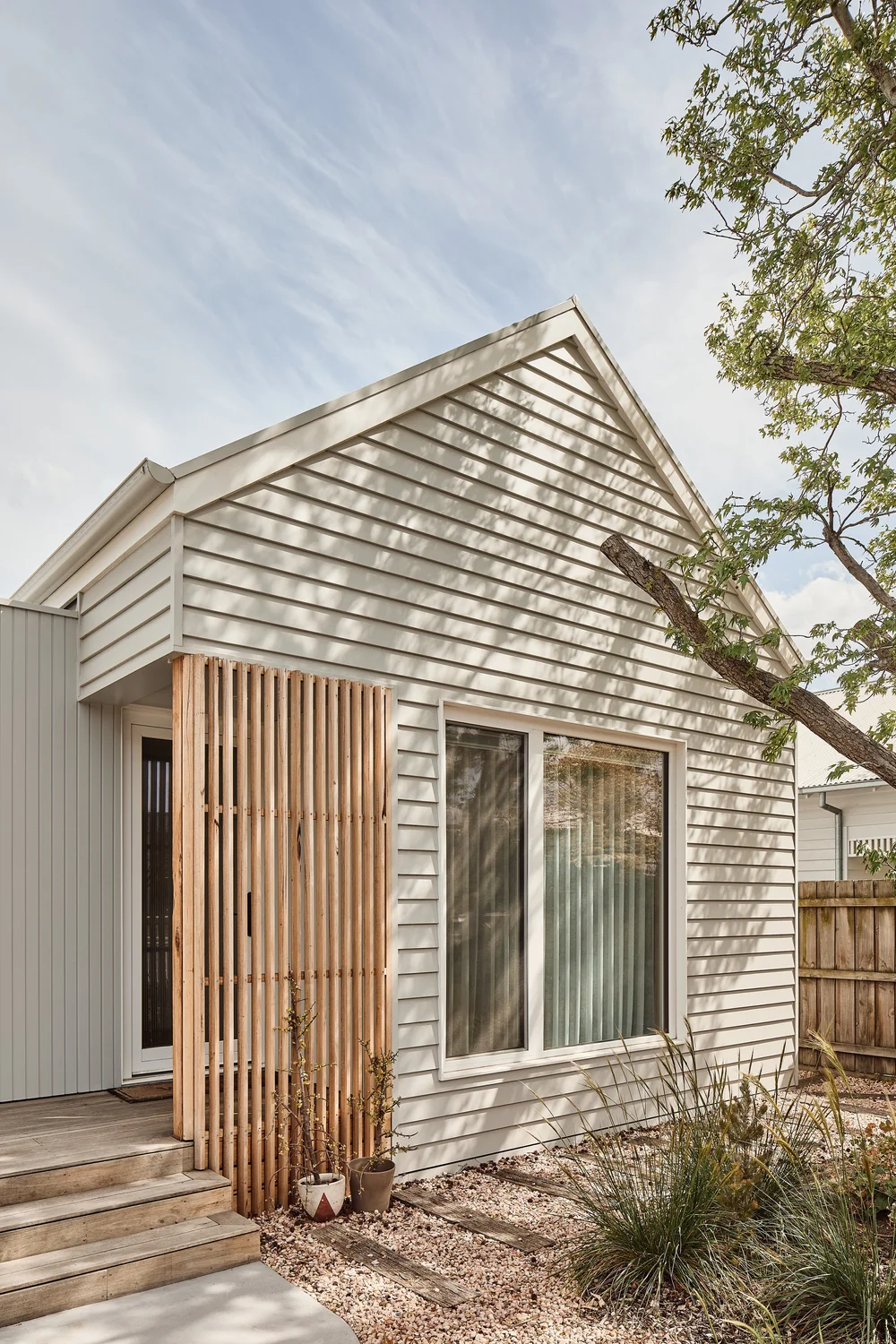
Passive House and high performance homes, built to one standard
Whether it's a certified Passive House or a home that borrows the same building science without the badge, the goal never changes: healthier, more comfortable and built to last.
Four types of home, and the step most builders skip
Where are you starting from?
Pick the one that sounds most like you and we'll point you in the right direction.
Start with early costing while your design takes shape, then choose between a certified Passive House and a high performance home depending on whether the certificate matters to you.
An EnerPHit retrofit brings an existing home up to the Passive House retrofit standard, and a high performance retrofit gets you most of the way there without certification.
Get us in now. The earlier we join your architect, the more we can save you, because every big performance decision is made on paper.
A high efficiency home puts the money into durability, with better materials and details than the minimum, so it lasts and stays comfortable.
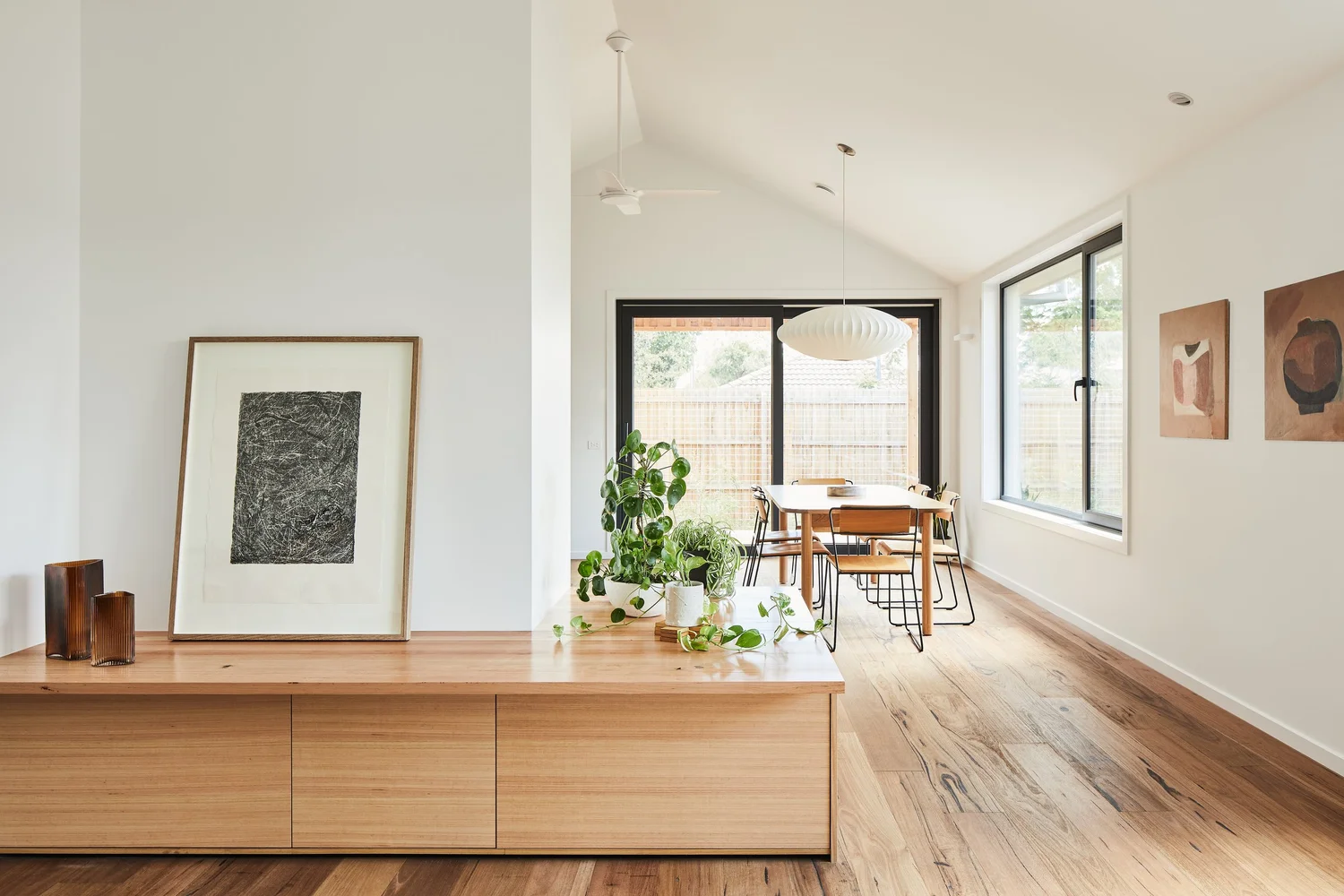
Certified Passive Houses
The full thing, built from the ground up and independently certified.
A Passive House is the gold standard of residential building: airtight, superbly insulated, mechanically ventilated, and modelled before a sod is turned so we know exactly how it will perform before we build it.
The result is a home that holds a comfortable temperature all year with almost no energy, filters the air you breathe and stays quiet and calm no matter what the weather is doing outside. We've got six certified to our name, every one tested and verified, and this is what we're known for.
- PHPP modelling from the first sketch
- 0.6 ACH50 or better, blower door tested
- Heat recovery ventilation, commissioned and balanced
- Independent Passive House certification
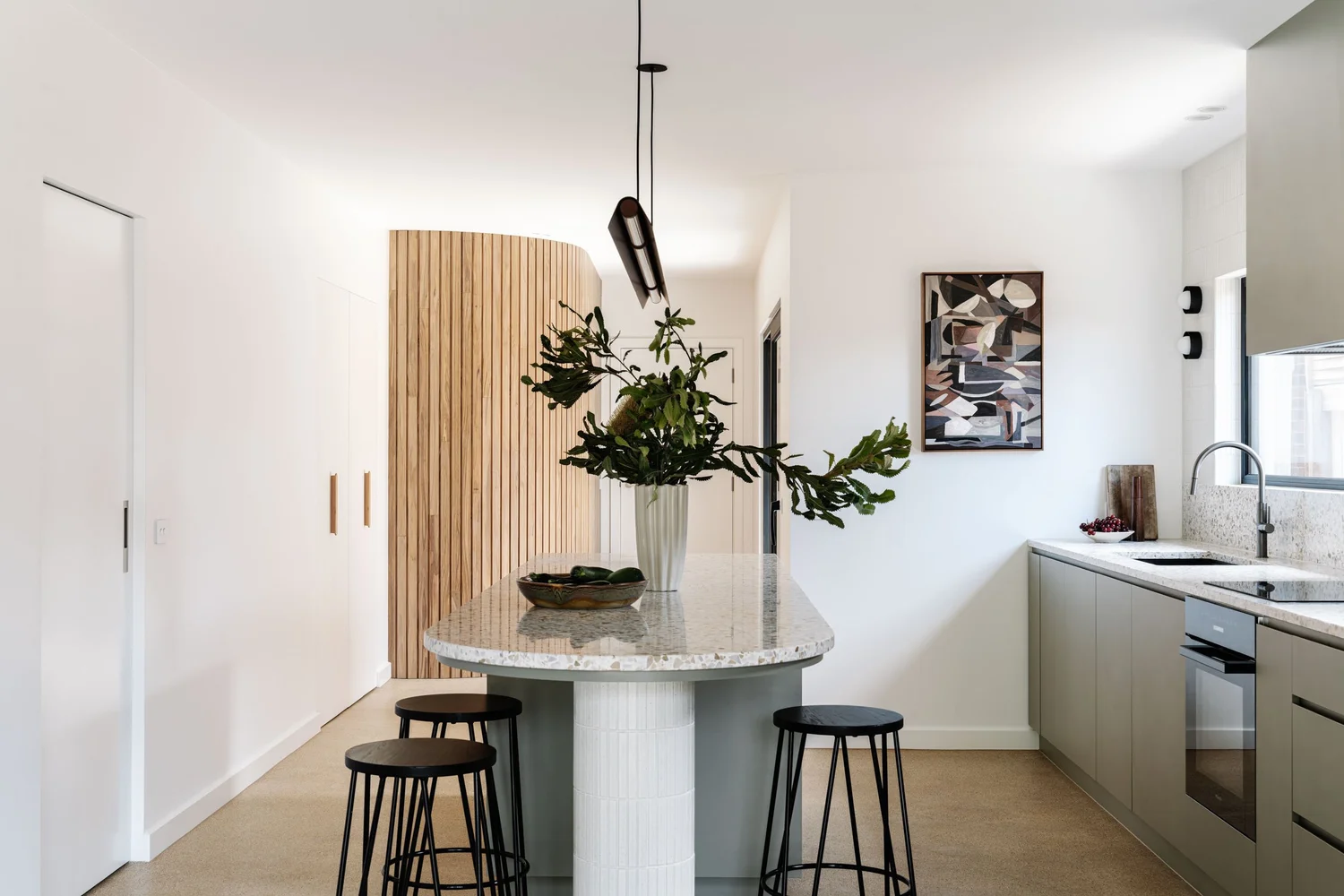
EnerPHit retrofits
Plenty of Melbourne's best homes are worth keeping.
EnerPHit is the Passive House standard adapted for existing buildings, so you can take a cold, leaky period home and bring it up to a performance level you'd never think possible, without losing the character that made you fall for it.
It's more complex than a new build, because every existing house hides its own surprises. Done properly, an EnerPHit retrofit gives you the best of both: the soul of the original, and the comfort, health and running costs of a brand new high performance home.
- Detailed survey and PHPP modelling of the existing house
- 1.0 ACH50 or better, blower door tested
- Heat recovery ventilation and continuous insulation
- Independent EnerPHit certification
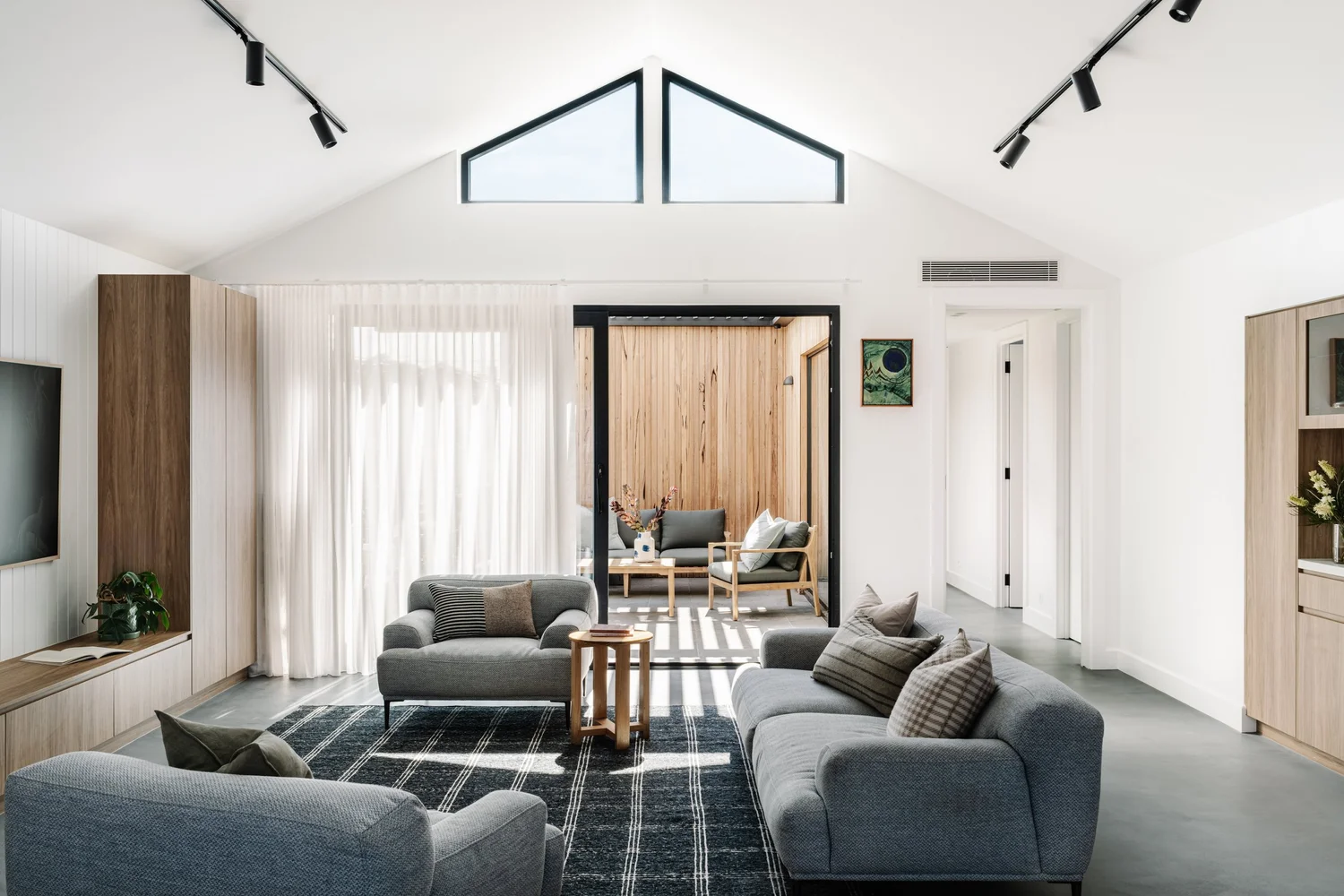
High performance homes
Not every project needs, or wants, full certification.
A high performance home takes the same building science, the airtightness, the insulation, the proper detailing and the testing, and applies it without going through the formal certification process.
You still get a home that's dramatically healthier, quieter and cheaper to run than a standard build, with more flexibility on where the budget goes. For a lot of our clients this is the sweet spot, and we'll talk you through honestly whether certification is worth it for your project.
- All eleven of our published minimum standards
- Under 1.0 ACH50 on new builds, under 3.0 on retrofits
- PHPP modelling, tested mid build and at completion
- Heat recovery ventilation, all electric
High efficiency homes
We don't build for energy efficiency. We build for durability.
Most homes built in Australia today will need significant remediation work within twenty years, from moisture in the wall cavity and failing seals to degraded insulation and structural damage that started behind the plasterboard on day one. That's not bad luck. It's what happens when you build to the minimum and call it done.
A home built for durability doesn't have those problems, thanks to better materials, better details and a refusal to cut the corners the industry has normalised. A home that doesn't rot, leak or fail doesn't have to work hard to stay warm, because the building envelope does the job the heater is doing in most Australian homes. That's durability, and that's energy efficiency. They're the same thing.
- Better materials and better details than the minimum
- Pro Clima membranes and properly taped junctions
- A building envelope that does the heater's job
- Built to last generations, not just the defects period
Early costing and preconstruction
It isn't bricks and mortar, but it might be the most valuable thing we do.
We come in early, alongside you and your architect, while the design is still on the page, and we price the project properly before anything is committed.
Most builders turn up after the plans are locked and the budget's already been set by someone who doesn't build for a living. We'd rather catch the expensive problems while they're still cheap to fix. You get a real budget early enough to actually use it, so you can push ahead with confidence, adjust the design to fit, or walk away before it costs you.
- A budget alignment study using our own build data
- One honest range: does your budget match your brief?
- Buildability and Passive House detailing during design
- A builder's brain inside the design team
How the four types of home compare
| Certified Passive House | EnerPHit retrofit | High performance | High efficiency | |
|---|---|---|---|---|
| Starting point | Blank block or knock down | Existing home | New build or existing home | New build or existing home |
| Certified | Yes, independently | Yes, independently | No, our published standard | No |
| Airtightness | 0.6 ACH50 or better | 1.0 ACH50 or better | Under 1.0 new, under 3.0 retrofit | Detailed for airtightness and durability |
| Thermal modelling | PHPP | PHPP | PHPP | To suit the project |
| Ventilation | Heat recovery, commissioned | Heat recovery, commissioned | Heat recovery, commissioned | To suit the project |
| Blower door tested | Yes | Yes | Mid build and completion | Yes |
| Best for | The best home you can build | Keeping a home you love | Performance with flexibility | Durability on a tighter budget |
What we build FAQ
What types of homes does Carland Constructions build?
We build certified Passive House new builds, EnerPHit retrofits of existing homes, high performance homes and high efficiency homes across Melbourne's inner west, inner north and inner city. We also offer early costing and preconstruction, joining your design team before the plans are locked.
What is the difference between a Passive House and a high performance home?
Both use the same building science, modelling and testing. A Passive House is independently certified and must reach 0.6 ACH50, while our high performance homes meet our published minimum standard of under 1.0 ACH50 on new builds without going through certification.
Can you make my existing home a Passive House?
Yes. EnerPHit is the Passive House standard for existing buildings. Our Retrofit Rifle EnerPHit in Williamstown took a 1993 brick veneer volume built home from an estimated 30 plus air changes to 0.43 ACH50 without removing a single brick.
What is a high efficiency home?
A high efficiency home is built for durability first, with better materials and better details than the minimum standard, so it doesn't rot, leak or fail. A home built that way doesn't have to work hard to stay warm, which is why we see durability and energy efficiency as the same thing.
When should I talk to a builder about my project?
As early as possible, ideally at concept stage. We price the design as it develops and pick up buildability and performance issues while they're still lines on a screen, which is when changes cost a conversation instead of a variation.
Not sure which one is right for you?
That's exactly what the first conversation is for. Tell us about your block, your home or your plans and we'll tell you honestly what makes sense.